Managing Project Risks
Responsible Projects
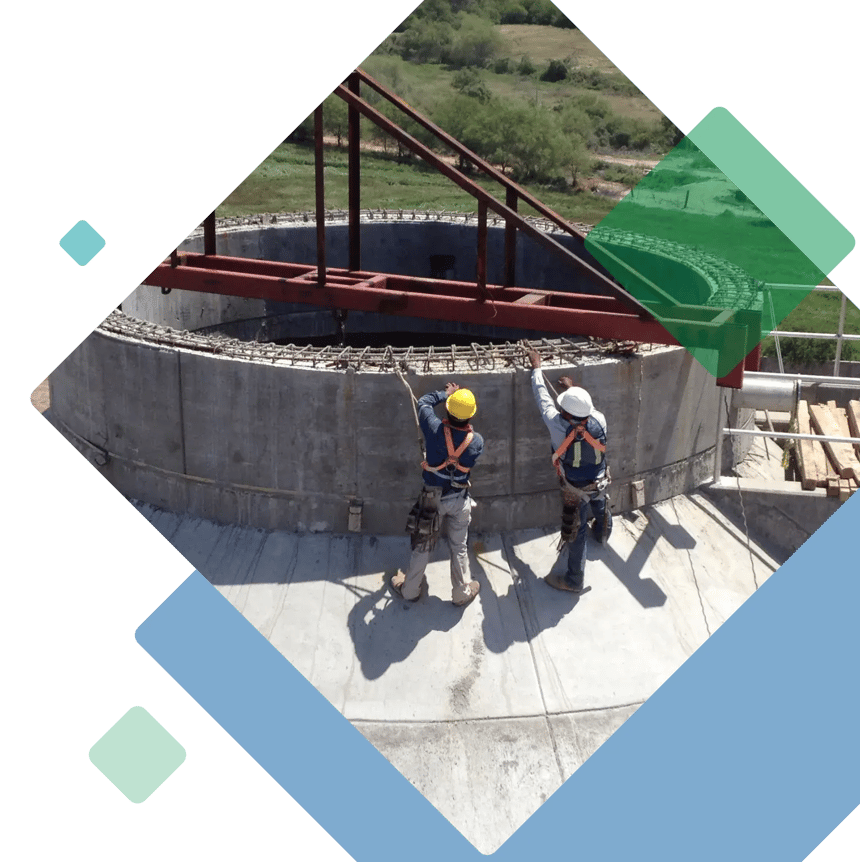
At NADBank, managing project safeguards and performance risks is essential to ensure our projects deliver positive and long-lasting benefits for communities in the border region.
Using advanced tools and comprehensive strategies, we evaluate, mitigate, and manage risks throughout the entire project lifecycle, promoting responsible and resilient development while ensuring alignment with high standards.

Risk Management Systems
Our approach relies on advanced tools to manage risks, ensuring each project aligns with environmental objectives.
We evaluate both the impact of these factors on the project and the project’s impact on said factors.
Key Risk Management Tools
Performance
Risk Score:
- Numerical Rating: We assign a score from 1 to 5 to determine the performance risk level each project faces.
- Project Prioritization: Facilitates project evaluation based on their relevance and risk level.
- Early Risk Detection: We identify potential risks before they affect the project.
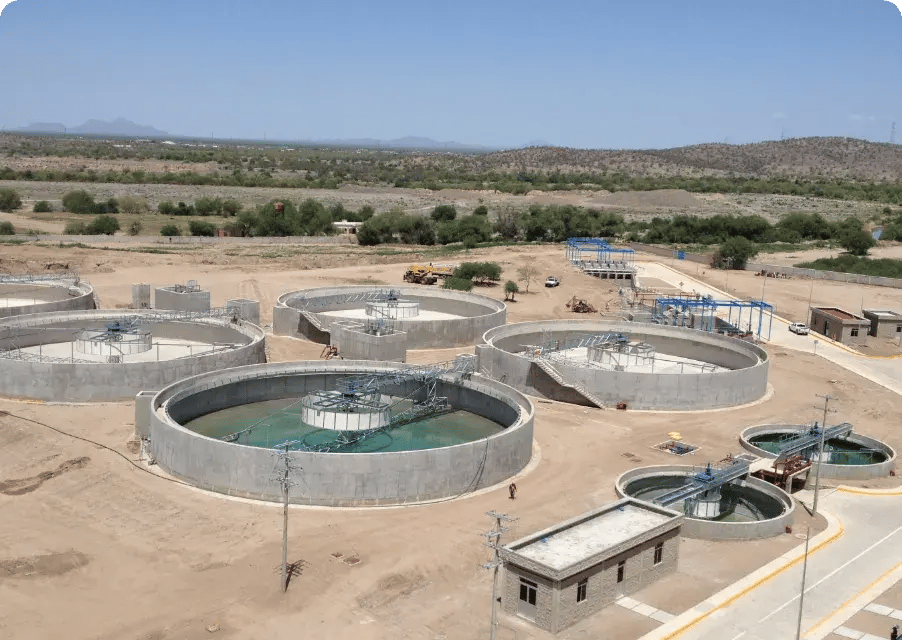
Performance Risk Management System (PRMS):
- Risk Categorization: Projects are screened and categorized based on the type and magnitude of the project, site conditions, location-specific requirements and identified environmental/community risks.
- Customized Mitigation Plans: PRMS enables tailoring specific strategies for each project, addressing risks based on their category and complexity.
- Ongoing Monitoring: We conduct continuous evaluations throughout the project lifecycle, adjusting the mitigation plan as new risks are identified.
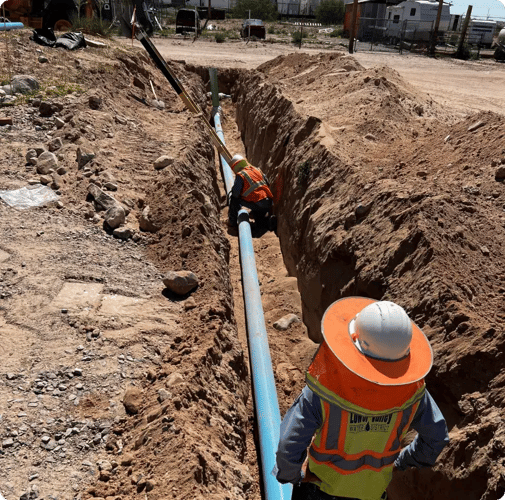
Certification and Impact Measurement
At NADBank, all projects undergo a rigorous certification and impact evaluation process, promoting transparency and community participation.
Project Certification Process:
- Compliance with Technical and Environmental Criteria: Each project must meet strict technical feasibility and environmental standards.
- 30-day Public Consultation: Projects undergo a public comment period so that communities in the project area can provide feedback.
- Financial Evaluation: In addition to environmental criteria, projects are also evaluated financially to ensure long-term economic benefits.


Continuous Impact Measurement:
- Results Matrix: This matrix includes specific key performance indicators (KPIs) to measure project impacts in terms of environmental factors.
- Customized Indicators: The KPIs can be tailored to the characteristics of the projects, taking into account factors such as resource use, emissions and social benefits.
- Indicator Updates: The KPIs are periodically reviewed to reflect actual performance and to adjust the mitigation strategy if necessary.

Strategic Portfolio Management
At NADBank, we manage our project portfolio with a focus on ensuring environmental merit while fully and effectively identifying and addressing risks and opportunities.
Portfolio-Level Risk Evaluation:
- Cumulative Risk Classification: Each project contributes to an overall portfolio rating.
- Informed Investment Strategy: The aggregate risk assessment guides investment decisions to minimize exposure to critical risks.
- Impact Balance: Projects with high impact are prioritized, achieving a balance between risk and benefits for communities.
Continuous Monitoring and Evaluation:
- Regular Reviews: We evaluate projects based on changes in environmental and regulatory conditions.
- Identification of New Risks and Opportunities: We analyze emerging events to adjust strategies for individual projects and the overall portfolio.
- Performance Reviews: Each project undergoes semi-annual reviews to ensure alignment with internationally recognized risk standards.