Background
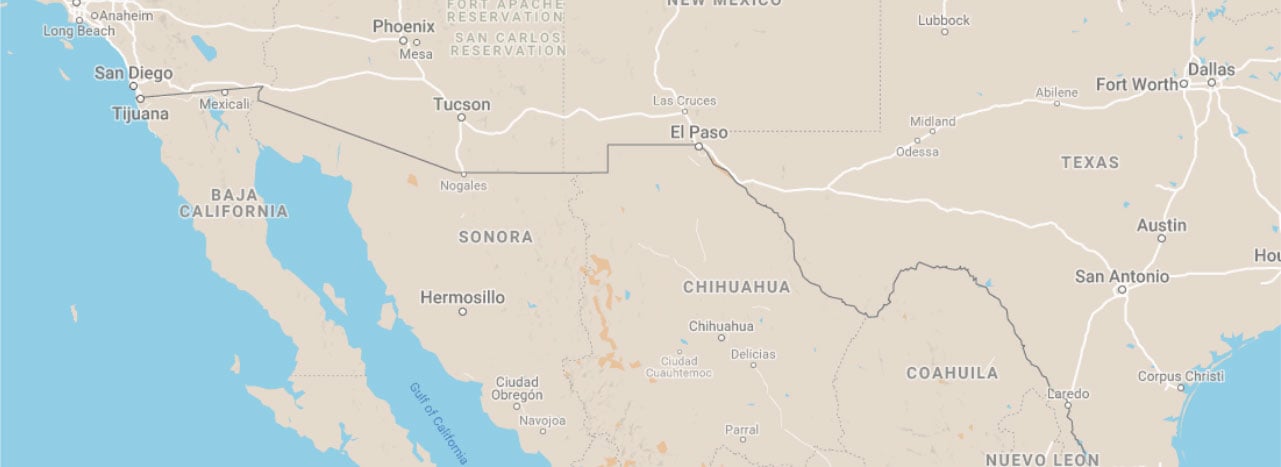
Created in 1919, the District’s primary purpose is to provide irrigation and farmland drainage to 20,204 acres in southern Cameron County, Texas. Currently, the District provides service to 1,600 irrigation accounts and 480 non-agricultural accounts.
Because of high concentrations of dissolved solids in the local groundwater, the District must obtain its water from surface sources. Consequently, 100 percent of the water used in its system comes from the Rio Grande. The International Boundary and Water Commission (IBWC) releases the water from the Falcon Reservoir.
Water is pumped from the Rio Grande into the main canal which extends 6,000 feet to a storage reservoir. It is estimated that this open canal operation loses 50 to 100 acre-feet of water a year by evaporation and seepage. It is also suspected that another 50 to 100 acre-feet is lost by unauthorized use and spillage by residents living along the canal. Moreover, the open canal is considered a safety hazard by the community and constitutes a barrier to regular traffic flows in the area.
Project Scope
The project proposes replacing the open main canal with a low head pressure pipe, and entails:
-
-
-
Replacement of main canal with 72” concrete pipe
-
Replacement of the east and west fork canal with a 72” concrete pipe
-
Construction of four road crossings
-
Installation of two 54” gate valves
-
Construction of levee crossings
-
Construction of drainage ditch crossings
Benefits
Replacing the open canal with pipes will save 1,060 acre-feet of water per year, reduce operation and energy costs, and increase overall efficiency in the conveyance of irrigation water. Elimination of the open canal will also improve traffic flows by allowing for the development of street crossings at a reasonable cost, as well as eliminate a potential safety hazard.